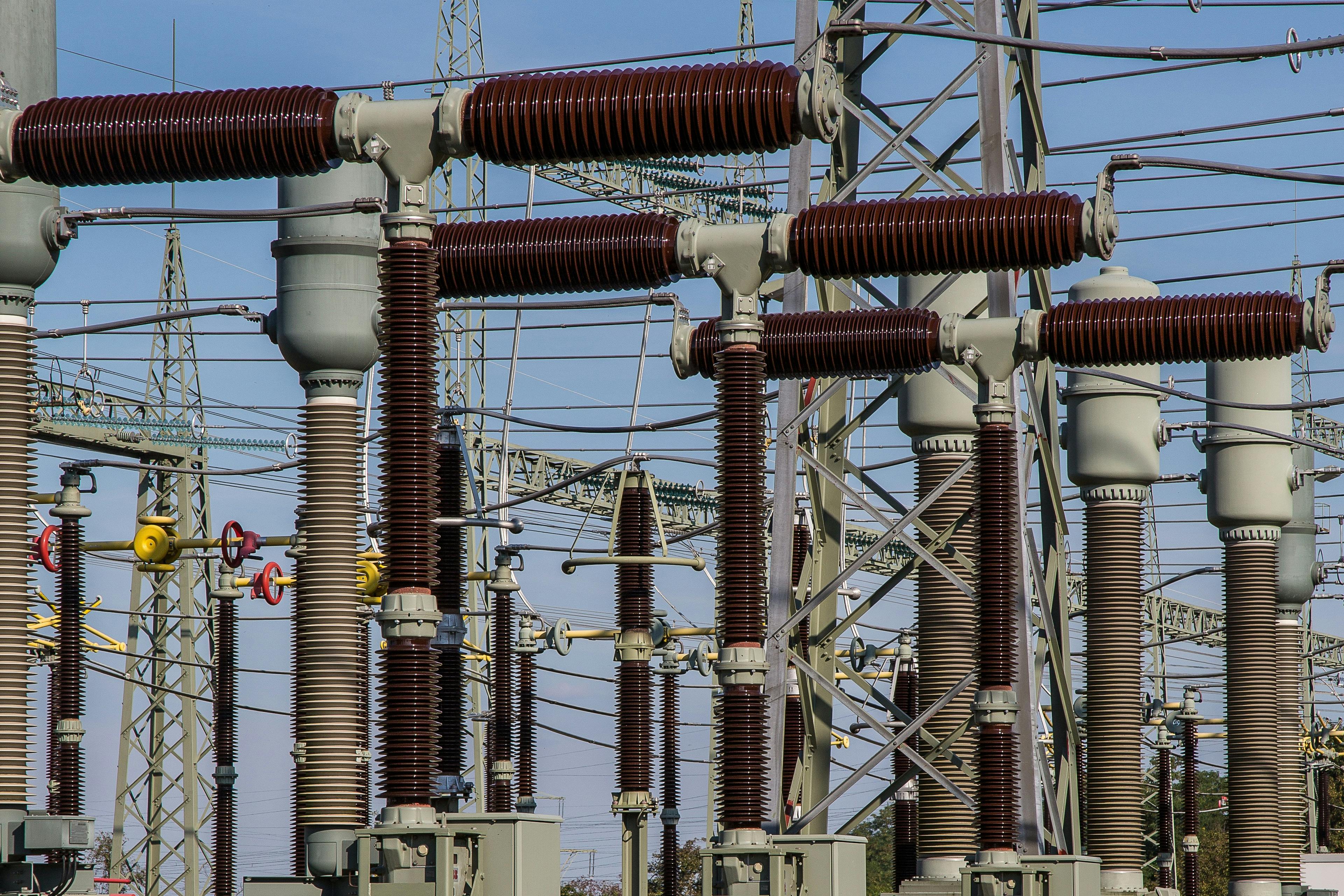
Substation Earthing Design – Medium & High Voltage Systems
Effective earthing is a critical safety and performance requirement in medium and high voltage substations. A well-engineered earthing system ensures personnel safety, protects equipment, and maintains system integrity under fault conditions by controlling earth potential rise (EPR), step and touch voltages, and fault current dissipation.
Our substation earthing designs are developed in strict compliance with internationally recognized standards and codes of practice, ensuring robust, safe, and regulation-compliant grounding solutions for utility and industrial applications.
Applicable Standards and Design Framework
- IEEE Standard 80 – Guide for Safety in AC Substation Grounding
Provides comprehensive guidelines for the design of safe grounding systems in AC substations, with emphasis on controlling step and touch voltages and managing ground fault currents.
- ENA TS 41-24 and ENA S34 – Earthing Standards
Applied for detailed Earth Potential Rise (EPR) calculations, particularly in utility and distribution network environments, ensuring public and operational safety under fault conditions.
- BS 7430 – Code of Practice for Protective Earthing of Electrical Installations
Defines earthing system design parameters for structures, electrical equipment, and installations, addressing both safety and functional earthing requirements.
- BS 7354 – Earthing Calculations for Safe System Design
Focuses on analytical methods and calculation techniques required to design earthing systems that meet safety criteria under worst-case fault scenarios.
Design Outcomes
- Compliance with global utility and regulatory requirements
- Safe control of step and touch potentials
- Reliable dissipation of fault currents
- Long-term performance and maintainability of earthing systems
This standards-driven approach ensures that each substation earthing solution delivers optimal safety, reliability, and operational confidence across medium and high voltage installations.